The Cost Efficiency of Modular Homes
- 11/02/2026
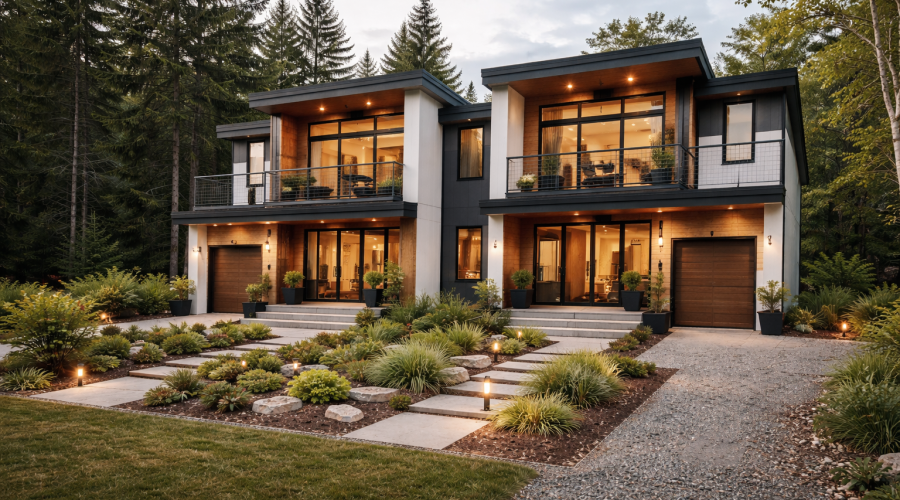
Modular homes have transformed the housing market over the past decade, but in 2026, cost efficiency is no longer just a benefit — it is a defining advantage. As home prices continue to rise and buyers become more financially strategic, modular construction stands out as a smarter investment. Beyond faster build times and sustainability benefits, modular homes deliver measurable savings from construction through long-term ownership.
Lower Construction Costs Through Factory Efficiency
One of the primary reasons modular homes cost less is how they are built. Unlike traditional site-built homes that face weather delays and unpredictable labor scheduling, modular homes are constructed in controlled factory environments. This improves workflow efficiency, reduces material waste, and minimizes costly delays. Manufacturers also purchase materials in bulk across multiple projects, lowering per-unit costs and helping keep pricing competitive. In 2026, digital planning systems and lean production methods make pricing even more predictable and transparent.
Faster Build Times Reduce Financial Burden
Time directly impacts cost in construction. Modular homes are typically completed in weeks rather than months, significantly reducing interest on construction loans and carrying costs. Shorter timelines also mean fewer labor hours and lower project management expenses. For buyers, faster completion can mean earlier move-in dates, earlier rental income for investment properties, and less money spent on temporary housing. Speed in modular construction translates directly into real financial savings.
Energy Efficiency Lowers Long-Term Expenses
The true cost of a home goes beyond the purchase price. Modular homes in 2026 prioritize energy performance with high-efficiency insulation, advanced window systems, airtight construction, and optimized HVAC solutions. Smart energy management systems allow homeowners to monitor and control consumption in real time. These features reduce monthly utility bills and can result in substantial savings over the life of the home, while also increasing resale appeal.
Reduced Waste Means Reduced Costs
Interior design is increasingly focused on strengthening the connection between people and nature. Modular homes incorporate biophilic principles through large windows, sliding glass walls, internal courtyards, and integrated greenery. Natural light, fresh air, and organic materials work together to enhance wellbeing, improve air quality, and create interiors that feel open, balanced, and restorative.
Quality Control Minimizes Repairs and Maintenance
Because modular homes are built indoors under strict quality standards, they typically experience fewer construction defects. Components are inspected before delivery, tolerances are tighter, and workmanship is consistent. This reduces early repair costs, warranty claims, and long-term maintenance expenses — hidden costs that can quickly add up in traditional builds.
Black Creek Modular is honoured to recognize and acknowledge that we work on the territories of the Indigenous Nations throughout British Columbia. We extend our deepest respect to the χʷɛmaɬkʷu (Homalco), K’ómoks, Wei Wai Kum, and Wei Wai Kai First Nations, whose lands we are privileged to work upon
Contact Us
Head Office: Vancouver Island
+1 250 218 5652
gary@blackcreekmodular.com
gary@blackcreek modular.com
© 2026 Black Creek Modular | All Rights Reserved